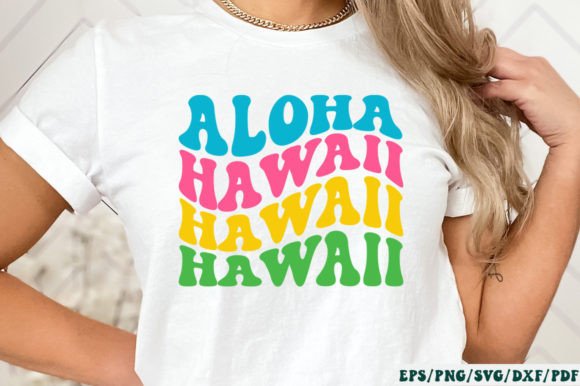
Aloha Hawaii Retro Svg Embroidery Review
As a designer who spends more time than I care to admit staring at stitch charts and testing fabric swatches, I have learned that the difference between a good handmade product and a great one often comes down to the source file. It is not just about whether the design fits in the hoop; it is about how the visual weight translates into thread. Recently, I pulled Aloha Hawaii Retro Svg from my library of digital assets to evaluate for potential use in a small batch of custom apparel and gift items. This is not a surface-level look at the graphics; this is a practical breakdown of how this specific design performs when moved from screen to needle.
The immediate first impression of Aloha Hawaii Retro Svg is one of approachable nostalgia. The retro summer aesthetic is trending heavily right now, but many designs in this category suffer from being too busy or lacking structural integrity for embroidery. What stands out here is the balance. The layout feels open enough to breathe but detailed enough to hold interest. For an embroidery designer, this is crucial. If a design is too dense, it can pucker the fabric; if it is too sparse, it looks unfinished on textured materials like canvas or fleece. This design sits comfortably in the middle ground, offering a clear visual personality that reads well even from a distance.
Real-World Application: From Screen to Stitch
I wanted to test how this design would translate into tangible products, specifically focusing on items that are common in the craft business and Etsy seller communities. The primary scenario I envisioned was creating a line of personalized gifts and boutique merchandise. Let us look at how Aloha Hawaii Retro Svg handles different project types.
First, consider custom apparel. When thinking about sweatshirt embroidery or t-shirt designs, you need a graphic that has strong outlines and distinct shapes. The retro theme lends itself perfectly to heavier fabrics like cotton blends or French terry. In my mental mockup, placing this design on the chest of a unisex sweatshirt creates an instant vibe. It feels casual, warm, and inviting. However, for smaller garments like baby clothes, the scale becomes a critical factor. While the design is versatile, using it on infant bodysuits requires careful scaling to ensure the details do not become overwhelming or difficult to stitch cleanly.
Tote bags are another staple for handmade shops. A tote bag design needs to be bold because the canvas texture can eat up fine details. The clean lines of this retro SVG work well here, provided you choose thread colors with high contrast against the bag material. If you are selling these as finished products, the visual appeal is key. Customers want to see a crisp, professional finish. A poorly digitized version of a similar design might result in loose threads or misaligned satin stitches, which immediately lowers perceived value. This particular file structure suggests a clarity that supports a polished final product.
Versatility Across Product Categories
The adaptability of this design extends beyond clothing. Think about home decor items like pillow covers or kitchen towels. These are popular categories for holiday embroidery and wedding gifts. The retro summer motif works surprisingly well for summer weddings or beach-themed events. On a linen pillow cover, the design adds a touch of whimsy without dominating the room’s aesthetic. Similarly, on tea towels, it serves as a charming accent piece that encourages repeat purchases from customers looking to coordinate their kitchen decor.
For the digital product seller, having access to multiple formats is a significant advantage. The inclusion of SVG, DXF, PNG, EPS, and PDF formats means this asset can serve dual purposes. You can use the vector files for cutting vinyl decals to pair with embroidered patches, or use the raster images for printable mockups to showcase your physical products online. This flexibility allows a creative entrepreneur to maximize the utility of a single purchase, reducing overhead and increasing profit margins on design assets.
Technical Considerations for Embroidery Designers
No matter how beautiful a graphic looks on a monitor, the real test is the machine. When evaluating any embroidery file, several technical aspects must be scrutinized to ensure a successful outcome.
- Stitch Density and Fabric Texture: Before committing to a production run, always test the design on scrap fabric first. The stitch density of Aloha Hawaii Retro Svg should be checked to ensure it does not overwhelm lightweight fabrics. On textured fabrics, such as waffle knit or heavy denim, you may need to adjust the stabilizer choice to prevent puckering. Using the proper stabilizer is non-negotiable for maintaining shape integrity.
- Thread Color Contrast: Visual appeal is heavily dependent on color theory. Test the design in black and white mockups to check the contrast levels. If the background fabric is dark, you will need bright, light-colored threads to make the retro elements pop. Conversely, on light fabrics, darker threads provide definition. Always inspect small details to ensure they remain visible after stitching.
- Hoop Size and Placement: Confirm the hoop size requirements before starting. If the design is intended for curved surfaces like caps or hats, the curvature can distort straight lines. Careful planning of the placement area is essential to avoid stretching the fabric unevenly. For flat projects like aprons or tote bags, ensuring the design is centered and balanced within the available space enhances the professional look.
- Small Details and Satin Stitches: Designs with intricate corners or tiny lettering require high precision. Inspect the satin stitch quality in the file. If the angles are too sharp, the machine may struggle, leading to thread breaks or missed stitches. Running stitch areas should be evaluated for length; overly long running stitches can look sloppy and snag easily during wear.
Where to Use With Caution
While this design is robust, there are situations where it requires careful handling. Small hoop sizes limit the amount of detail that can be effectively rendered. If you attempt to shrink the design too much, you risk losing the character that makes it appealing. Additionally, stretchy fabrics can cause distortion if not stabilized correctly. Dark fabrics may hide lighter thread colors, so choose your palette wisely. Layered garments or products that need frequent washing demand durable stitching; ensure the design does not rely on delicate accents that might fray over time.
Final Verdict on Value and Professionalism
From a branding perspective, using a well-structured design like Aloha Hawaii Retro Svg signals professionalism to your customers. It shows attention to detail and respect for the craft. When buyers receive a handmade product that looks cohesive and well-executed, their trust in your brand increases. This is particularly important for Etsy sellers and small shop owners who compete on quality and uniqueness.
The design also enhances giftability. Whether it is used for a personalized gift for a friend or a boutique item for sale, the retro summer theme evokes positive emotions and memories. It is versatile enough to fit into various niches, from travel enthusiasts to lovers of vintage aesthetics. By integrating this design into your workflow, you add a layer of sophistication to your offerings.
In conclusion, Aloha Hawaii Retro Svg is a solid addition to any embroidery designer’s toolkit. Its balance of style and structure makes it suitable for a wide range of applications, from custom apparel to home decor. However, success depends on proper execution. Take the time to test your samples, verify your settings, and understand the limitations of your equipment. By doing so, you can transform this digital asset into a stunning finished product that stands out in a crowded market. Remember to check licensing terms if you plan to sell commercial embroidery items, ensuring you are compliant with all usage rights.