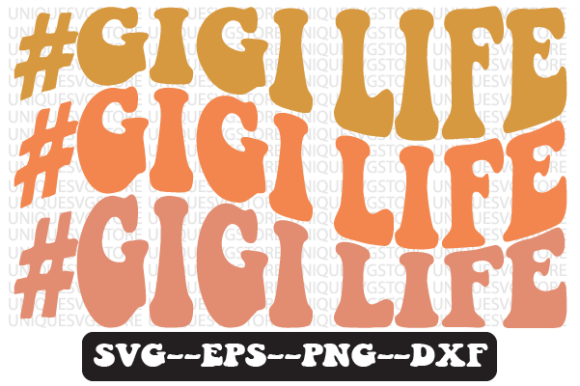
Gigi Life Wavy Retro Svg Design Review
As a designer who spends half my life staring at stitch patterns and the other half worrying about client satisfaction, I don’t just look at a file and see pixels. I see tension, I see thread breaks, and I see how it’s going to feel in the customer’s hands. When Gigi Life Wavy Retro Svg Design landed on my desk, my first instinct wasn’t to admire the colors—it was to ask: does this hold up when stitched?
The craft market is saturated with generic clipart, but there is a specific kind of magic in designs that balance nostalgia with technical viability. This piece, categorized under Crafts and Graphics, promises a "Groovy" aesthetic suitable for sublimation and apparel. But can it survive the hoop? Let’s break down how this design performs in real-world embroidery scenarios.
First Impressions: Mood and Visual Personality
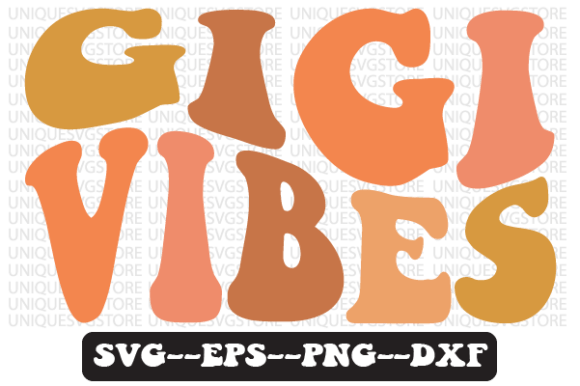
The moment you open the file, the wavy, retro vibe is undeniable. It captures that late-60s or early-70s psychedelic energy without leaning into the chaotic messiness that often plagues vintage-inspired art. The lines are fluid, suggesting movement, which is exactly what you want in an embroidery project that needs to catch the eye from across a craft fair table.
From a design standpoint, the layout feels balanced. It isn’t overly dense, which is a relief. Many designers make the mistake of creating intricate line art that translates poorly to thread. Here, the shapes are bold enough to be recognizable even if the stitching isn’t perfect. It screams "handmade product" rather than "mass-produced sticker." For an Etsy seller or a small shop owner, this distinction is everything. It suggests a personal touch that customers are willing to pay a premium for.
Real-Life Application: Where This Design Shines
I’ve been thinking about where Gigi Life Wavy Retro Svg Design would fit best in a current production run. My immediate thought is a custom embroidered tote bag. There is something inherently cool about pairing a groovy, retro graphic with canvas. The texture of the canvas complements the wavy lines, making the embroidery pop. It works as a statement piece for a boutique branding campaign or a personalized gift for a young adult who loves vintage aesthetics.
Another strong candidate is a sweatshirt embroidery project. Imagine this design centered on the chest of a heather grey or mustard yellow crewneck. The retro theme fits perfectly with current fashion trends. Because the design has a bit of visual weight, it won’t get lost against the heavy fabric of a sweatshirt. It adds value to the garment, transforming a basic tee into a unique, wearable art piece.
It also has potential in home decor. A pillow cover featuring this design could add a splash of color to a bohemian-style living room. However, you have to be careful with placement. If you’re using it for a kitchen towel or a tea towel, the wavy nature might distract from the utility of the item unless it’s used as a subtle border accent rather than a central focal point.
Technical Considerations for Embroidery Designers
Let’s talk shop. How does this translate from screen to fabric? The file includes DXF, EPS, and SVG formats, which gives you flexibility, but remember that these are vector files meant for cutting or tracing unless converted properly for your machine. If you are using this as a machine embroidery design, you need to ensure the conversion respects the original intent.
Stitch Density and Clarity: The wavy lines suggest a mix of satin stitches for outlines and potentially fill stitches if the waves are thick. You need to check the stitch density carefully. If the density is too high, the fabric will pucker, ruining the smooth flow of the waves. If it’s too low, the fabric might show through, especially on lighter threads. I always advise testing the design on scrap fabric first to see how the thread lays down.
Fabric Choices: This design looks best on stable fabrics. Cotton, denim, and canvas are ideal. Avoid stretchy knits unless you are using a heavy-duty stabilizer. The curves of the design can distort easily on jersey or spandex blends if the hoop tension isn’t perfect. Also, consider the background. On dark fabric, you’ll need a light-colored thread or a contrasting applique base to make the retro colors stand out. On white fabric, darker threads will provide that sharp, clean contrast that defines professional work.
Where to Use Caution
Not every surface is a good match for Gigi Life Wavy Retro Svg Design. Be wary of using this on curved surfaces like baseball caps. While possible, the waves may not follow the curvature of the hat naturally, leading to distortion. Similarly, avoid tiny hoop sizes. Trying to cram this level of detail into a 4x4 inch hoop might result in lost details, particularly if there are any fine inner lines. The design needs breathing room to convey its groovy personality.
Also, think about durability. If this is for a child’s clothing or baby embroidery, consider how the design will hold up after washing. Satin stitches can wear down faster than fill stitches if the thread quality isn’t top-tier. Ensure you are using high-quality polyester or rayon threads to maintain the vibrancy of the retro palette over time.
Impact on Product Value and Customer Trust
Using a well-executed design like this elevates your brand. When a customer sees a finished product with clear, crisp stitching and a cohesive theme, they trust the maker. They assume that if the embroidery is good, the rest of the business is too. Gigi Life Wavy Retro Svg Design offers a modern yet nostalgic appeal that resonates with a wide demographic, from Gen Z looking for vintage vibes to Millennials who grew up with this aesthetic.
For digital product sellers, this design is versatile. It can be used in printable mockups to showcase how the design looks on various items before the physical product is made. This helps in marketing your handmade products effectively. It serves as a reliable asset in your design library, ready to be adapted for holiday embroidery campaigns, wedding gifts, or seasonal craft fairs.
Final Practical Notes
Before you commit to a large batch, here is my checklist:
- Test Stitch Out: Always run a test on the actual fabric you plan to use. Check for puckering and thread breaks.
- Color Contrast: Mock up the design in black and white to ensure the shapes remain distinct regardless of color.
- Licensing: Confirm whether the license allows for commercial use. Selling finished items requires different permissions than selling the digital file itself.
- Stabilizer Match: Pair the design with the appropriate stabilizer—cut-away for stretchy fabrics, tear-away for wovens—to ensure longevity.
In conclusion, Gigi Life Wavy Retro Svg Design is more than just a pretty picture. It’s a functional, stylish tool for any crafter or designer looking to add a touch of retro flair to their custom apparel or personalized gifts. With proper preparation and attention to detail, it can result in a finished product that stands out in a crowded market. It’s a smart addition to your design assets collection, offering both aesthetic appeal and practical versatility.