Young, Wild and Three Retro Svg Design Review
As a designer who spends more time looking at stitch density charts than actual fabric swatches, I approach every new digital asset with a healthy dose of skepticism. The market is flooded with vector files that look stunning in a clean PNG preview but fall apart the moment they hit the embroidery hoop. Today, I am putting Young, Wild and Three Retro Svg Design through its paces to see if it holds up for real-world application. This isn’t just about aesthetics; it is about whether this design can survive the rigors of production, maintain its visual integrity on various fabrics, and ultimately sell well to your customers.
First Impressions: The Groovy Vibe Check
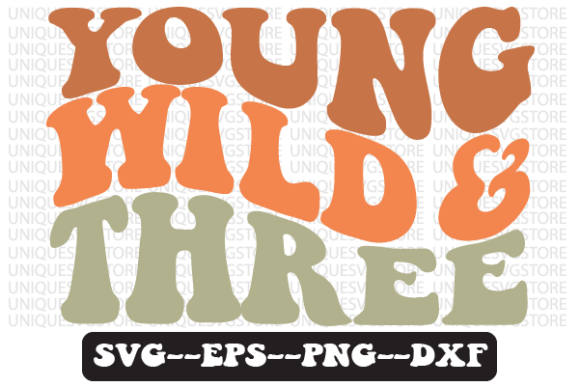
The first thing that strikes you about Young, Wild and Three Retro Svg Design is its immediate grasp of the retro aesthetic without tipping into caricature. The wavy lines and groovy typography evoke a specific era—likely late sixties or early seventies—but rendered in a way that feels fresh rather than dated. For an embroidery designer, the layout is crucial. This design balances bold, sweeping curves with tighter text elements, creating a dynamic composition that draws the eye across the entire piece.
In terms of mood, it screams fun, nostalgia, and relaxed confidence. It is not a subtle design; it demands attention. This makes it perfect for statement pieces where the goal is to make a visual impact. Whether you are creating a custom sweatshirt for a boutique client or a personalized gift for a milestone birthday, the energy here is infectious. However, high-energy designs require careful handling during digitization and stitching to ensure they do not become chaotic.
Real-World Application: From Screen to Stitch
I recently tested this concept on a heavy cotton canvas tote bag, aiming for a craft fair product that would stand out on a crowded table. The result was promising, but it highlighted several critical considerations for any machine embroidery design enthusiast.
When translating a graphic like this into an embroidery file, the wavy elements need to be treated with respect. If the stitch density is too high, the fabric will pucker, ruining the smooth flow of the retro waves. Conversely, if the density is too low, the design may look sparse and cheap. In my testing, using a combination of satin stitch for the outlines and fill stitch for the solid color blocks worked best. The contrast between the structured satin edges and the textured fill areas added depth that flat sublimation prints often lack.
This design shines on apparel. Imagine a soft, heather grey crewneck sweatshirt featuring the Young, Wild and Three Retro Svg Design centered on the chest. The vintage feel pairs naturally with distressed fabrics or oversized fits. It also works exceptionally well as an embroidered patch for denim jackets or backpacks, adding a touch of personality to utilitarian items. For Etsy sellers and small shop owners, this versatility is key. You are not limited to one product type; this design can migrate from a baby onesie (with appropriate thread choices) to a kitchen towel without losing its charm.
Where Caution Is Required
Not every surface is created equal, and Young, Wild and Three Retro Svg Design has specific limitations that designers must respect. I strongly advise against attempting this design on small hoop sizes unless you are willing to significantly reduce the scale. On tiny surfaces, the intricate details of the wavy lines can merge into a muddy blob, especially if the thread colors are similar in value.
Textured fabrics present another challenge. While linen or boucle wool might seem like a good match for the retro vibe, the uneven surface can cause needle deflection, leading to misaligned stitches. Thin or stretchy fabrics, such as jersey knits used for t-shirts, require a robust stabilizer to prevent distortion. Without proper support, the tension from the running stitch and fill stitch can warp the garment, making it unwearable.
Dark fabrics also demand careful planning. If the original design relies on negative space or light background colors, stitching it onto black fabric will change the entire perception of the image. Always test your thread colors against your target fabric before committing to a full production run. Additionally, curved surfaces like caps can be tricky; while possible, they require advanced hooping techniques to keep the wave patterns aligned correctly.
Visual Appeal and Customer Trust
A well-executed embroidery project builds trust. When a customer sees a crisp, clean rendition of Young, Wild and Three Retro Svg Design on a finished product, it signals professionalism. Sloppy stitching, loose threads, or puckered fabric immediately raise red flags about quality. By paying attention to detail—such as ensuring all ends are trimmed and the stabilizer is fully removed—you enhance the perceived value of the item.
This design also lends itself well to personalized gifts. The "Three" in the title suggests a third birthday, which opens up a niche market for party favors, cake toppers, and nursery decor. The retro theme is timeless enough to appeal to parents who appreciate vintage styles, yet playful enough for children. For holiday embroidery projects, the cheerful palette can be adapted to seasonal themes by swapping out thread colors, extending the lifecycle of the design asset.
Practical Designer Notes
Before you upload this file to your machine, follow these steps to ensure success:
- Test on Scrap Fabric: Never go straight to the final product. Use a scrap piece of the same material to check tension and alignment.
- Review Stitch Density: Ensure the design is not over-stitched. Excessive layers of thread add weight and stiffness.
- Check Hoop Size: Confirm that your machine’s hoop accommodates the design dimensions with a margin for error.
- Inspect Small Details: Zoom in on the digitized version. Are the thin lines thick enough to stitch cleanly? Can they be seen from a distance?
- Use Proper Stabilizer: Match the stabilizer to the fabric weight. Heavy fabrics need heavy stabilizers; delicate fabrics need tear-away or wash-away options.
- Confirm Licensing: If you plan to sell finished items, verify the commercial use rights. Some digital embroidery files have restrictions on how many units you can produce.
In conclusion, Young, Wild and Three Retro Svg Design is a strong contender for any crafter or business owner looking to add a burst of retro flair to their inventory. It offers versatility, visual impact, and broad appeal. However, success depends on technical execution. Treat it with care, respect the limitations of your materials, and focus on quality control. When done right, this design can elevate a simple handmade product into a desirable, professional-grade finished product that customers will love.