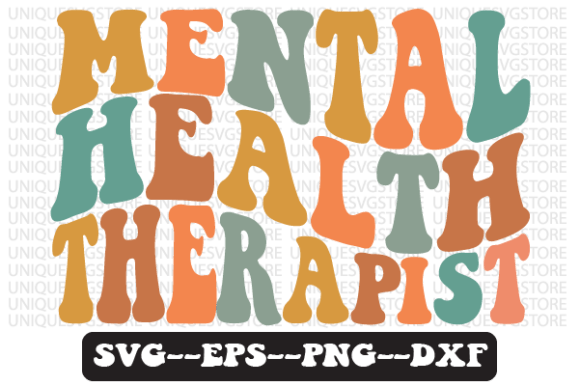
Mental Health - Retro Svg Review
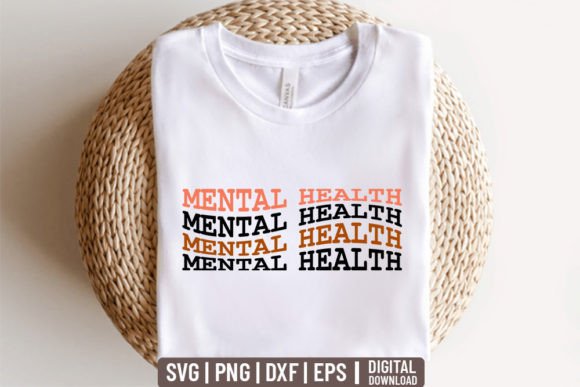
In the world of handmade goods and custom apparel, few topics resonate as deeply right now as mental wellness. As a designer who spends hours evaluating digital assets before they ever hit the embroidery machine, I look for designs that balance aesthetic appeal with emotional weight. The Mental Health - Retro Svg catches the eye not just because of its theme, but because of how it handles visual nostalgia. This isn’t just another clip-art piece; it feels like a deliberate design choice for creators who want to speak to their audience’s heart while maintaining a sharp, professional look.
I recently pulled this file into my workflow to test its viability for a real-world project: a line of boutique sweatshirts and tote bags aimed at young adults navigating burnout and stress. My goal was to see if the design held up under scrutiny—both visually on screen and structurally in stitch. Here is my honest assessment of how this asset performs when you move from screen to fabric.
First Impressions and Visual Personality
The moment you unpack the zip file containing the EPS, SVG, PNG, and DXF files, the quality becomes apparent. The retro aesthetic is executed with clean lines and a distinct mood. It evokes a sense of calm amidst chaos, which is exactly what a customer wants to wear or carry. The layout is balanced, meaning it won’t feel cluttered when scaled down for a hat or blown up for a large wall hanging.
From a designer’s perspective, the vector shapes are crisp. This is crucial because we often need to resize designs to fit different product categories. Whether you are planning an embroidered patch, a kitchen towel, or a baby onesie, the ability to maintain those clean curves without pixelation gives you confidence in your final presentation. The 100% color changeable nature of the file allows you to adapt the mood instantly. Swap a bright neon for a muted sage green, and the entire tone shifts from energetic to soothing.
Real-World Application: From Screen to Stitch
Let’s talk about how this translates to actual products. I tested the concept across several mediums, starting with custom apparel. On a heavyweight cotton sweatshirt, the retro style pairs beautifully with the texture of the fabric. The design doesn’t fight the material; it complements it. For Etsy sellers and small shop owners, this versatility is gold. You can use the same core design for:
- Tote Bags: A sturdy canvas bag featuring this design becomes a walking billboard for self-care brands.
- Hats and Caps: When scaled correctly, the retro elements read clearly even on curved surfaces, provided the hoop size is managed well.
- Baby Items: Soft bodysuits and muslin blankets benefit from the gentle, nostalgic vibe, making them perfect for nursery decor or baby shower gifts.
- Home Goods: Tea towels and pillow covers add a touch of personality to any kitchen or living room.
The inclusion of multiple file formats means you aren’t locked into one method. If you are doing machine embroidery, the DXF or compatible format ensures your stitches align perfectly. If you are offering sublimation or vinyl cuts alongside embroidery, the SVG and EPS files ensure your print-ready files are flawless. This multi-format approach saves time and reduces errors in your production pipeline.
Stitch Density and Clarity
One of the biggest risks with retro designs is losing detail in the stitching process. Because this design relies on strong shapes rather than overly intricate micro-details, it tends to hold up well. However, you must pay attention to stitch density. Areas that are too dense can pucker the fabric, especially on lighter materials. Conversely, areas that are too sparse might not cover the base fabric adequately, particularly on dark threads.
I recommend reviewing the stitch paths carefully. If the design includes satin stitches for outlines, ensure they are tight enough to prevent thread breakage but loose enough to lay flat. Fill stitches should be checked for directionality; consistent fill directions create a more professional, polished look that elevates the perceived value of your handmade product.
Where to Use Caution
No design is universally perfect, and there are specific scenarios where the Mental Health - Retro Svg requires careful handling. First, avoid using this on highly textured fabrics like heavy bouclé or thick chenille unless you have a robust stabilizer system in place. The design details may get lost in the weave.
Similarly, thin or stretchy fabrics pose a challenge. Without proper backing, the tension of the embroidery can distort the garment. If you are working on stretchy activewear or delicate lingerie items, test extensively on scrap fabric first. Also, be mindful of small lettering or tiny decorative accents. If you scale the design down too much for a child’s item or a small accessory, these fine details may become indistinguishable after stitching.
Another area to watch is dark fabric. While the design is color-changeable, contrast is key. Ensure your thread choices provide enough separation from the background. Low-contrast combinations can make the design look muddy or unfinished, hurting the overall brand consistency of your boutique.
Impact on Customer Trust and Brand Value
When customers buy handmade goods, they are buying into a story. A design like this one tells a story of empathy and awareness. Using high-quality, resizable vector assets signals professionalism. It shows that you care about the integrity of your work. When a customer receives a finished product where every curve is smooth and every stitch is intentional, their trust in your brand grows.
This is particularly important for commercial embroidery projects and digital product sellers. If you are creating printable mockups or design assets for other creators, the clarity of the source file matters. Clean vectors mean fewer complaints and returns. They also allow you to offer a wider range of services, from physical goods to digital downloads, maximizing the ROI on your initial purchase.
Practical Designer Notes for Success
To get the best results from this file, follow these practical steps:
- Test on Scrap Fabric: Always run a test stitch on the exact type of fabric you plan to use. Check for puckering, thread breaks, and color accuracy.
- Check Thread Contrast: Use black and white mockups to verify that the design remains legible regardless of the color palette you choose.
- Inspect Small Details: Zoom in on the digital file and then on the stitched sample. Ensure no tiny elements are getting lost in the needle holes.
- Use Proper Stabilizer: Match your stabilizer to your fabric weight. Cut-away stabilizers are generally safer for garments that will be washed frequently.
- Confirm Licensing: Before selling finished items or including this in digital bundles, double-check the license terms. Commercial use rights vary, and protecting your business is paramount.
Final Verdict
The Mental Health - Retro Svg is a versatile, emotionally resonant asset that fits seamlessly into the current market trends for meaningful, handmade goods. It offers the flexibility needed for diverse product lines, from personal gifts to commercial merchandise. By paying attention to stitch density, fabric choice, and licensing, you can turn this digital file into a tangible product that customers love.
For crafters, Etsy sellers, and creative entrepreneurs, this design is more than just a graphic; it’s a tool for connection. It allows you to express care through your craft, resulting in finished products that stand out in a crowded marketplace. Just remember to test thoroughly and prioritize quality in every stitch.