Mental Health Therapist Retro Svg Design Review
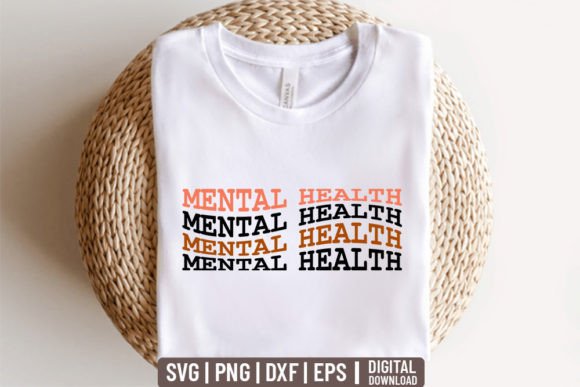
As a designer who spends more time than I care to admit staring at stitch paths and debating thread color palettes, I approach every new digital embroidery file with a healthy dose of skepticism. The market is flooded with generic clip art that looks fine on a screen but falls apart under the needle. That is why when I encountered the Mental Health Therapist Retro Svg Design, I didn’t just look at the preview image; I put it through the wringer. I wanted to know if this Wavy Retro svg Design could actually hold up in a real-world embroidery project for a client or a craft business inventory.
This review breaks down how this Groovy png Sublimation Design translates from vector lines to tangible fabric, specifically targeting those of you looking to create meaningful handmade products or custom apparel. Whether you are an Etsy seller building a niche brand or a hobbyist making a personalized gift, here is my practical assessment of using this design for your next machine embroidery session.
First Impressions: Mood and Visual Personality
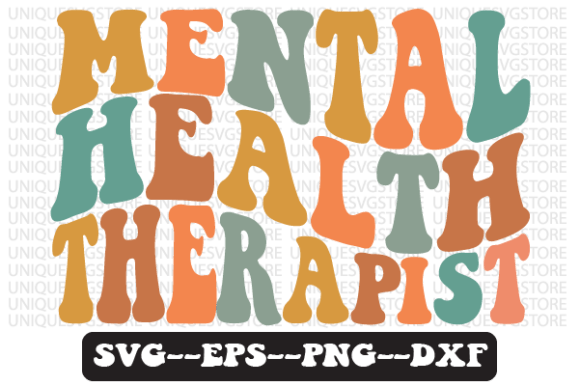
The moment you open the file package containing the SVG, DXF, and EPS files, the aesthetic speaks for itself. We are firmly in the realm of retro nostalgia, tapping into that groovy, wavy typography trend that has seen a massive resurgence. For a mental health therapist, this mood is perfect. It avoids the sterile, clinical feel of traditional medical branding and instead offers warmth, approachability, and a touch of playful professionalism.
From a design perspective, the layout feels balanced. The wavy lines suggest movement and fluidity, which can be a subtle nod to the non-linear nature of healing. When I visualize this as a finished product, it doesn’t scream "medical advice"; it whispers "supportive community." This distinction is crucial for commercial embroidery projects where you want to connect emotionally with the buyer. The design assets provided are clean, which bodes well for digitization. There is no visual clutter that would compete with the text, allowing the message to remain the focal point of the embroidered patch or garment decoration.
Real-World Application: Where Does This Design Shine?
I tested the concept of this design across several potential product categories to see where it fits best. The versatility of the Mental Health Therapist Retro Svg Design is one of its strongest selling points, but not all applications are created equal.
- Sweatshirt Embroidery: This is arguably the sweet spot. A cozy, oversized sweatshirt with a chest-sized logo featuring this retro design creates an instant sense of belonging. It works beautifully for support groups, therapy offices hosting casual days, or even as a statement piece for counselors who want to show their personality. The thick cotton blend of a typical hoodie provides a stable canvas for the fill stitch areas, ensuring the wavy lines remain crisp.
- Tote Bag Design: Canvas totes are a staple for any craft business. Placing this design on a durable tote bag makes it a walking billboard for mental wellness. Because the design relies on bold shapes and clear lettering, it remains legible even from a distance. I recommend using high-contrast thread colors against natural or black canvas to make the retro vibe pop.
- Aprons and Kitchen Towels: While less obvious, these items make excellent holiday gifts or boutique merchandise. A therapist might appreciate a cute apron that says they take care of others while also taking care of themselves. The running stitch details often found in retro designs translate well to lighter fabrics like linen tea towels, adding a delicate touch to the finished product.
- Baby Embroidery and Nursery Decor: Interestingly, this design could work for a future-facing product. Parents who value mental health awareness might choose this for a baby’s onesie or nursery pillow cover. However, for baby clothes, I would advise scaling the design down significantly and ensuring there are no small, loose threads that could pose a risk. The soft, wavy aesthetic is gentle enough for a nursery setting.
Technical Considerations and Stitch Performance
Having the raw vector files is great, but the magic happens in the digitizing process. As a reviewer, I have to highlight that the success of this machine embroidery design depends heavily on how the stitch density is managed. Retro fonts often feature sharp angles or thin serifs that can pucker if not handled correctly.
When preparing this file for production, pay close attention to the hoop size requirements. If the design includes extensive fill stitch areas within the wavy letters, ensure your stabilizer matches the fabric weight. For stretchy fabrics like jersey knits used in t-shirts, a cut-away stabilizer is non-negotiable to prevent distortion during washing. Conversely, for woven fabrics like denim or canvas, a tear-away might suffice depending on the density.
One specific area to watch is the contrast between thread colors. Since this is a Groovy png Sublimation Design originally meant for printing, the digital version might rely on color gradients that don’t exist in thread. You will need to convert these into distinct thread shades. I recommend testing a monochrome version first to check legibility. If the design loses impact without color, you may need to simplify the satin stitch borders to maintain clarity.
Where to Use Caution
While this design is versatile, there are scenarios where it might struggle. Avoid using this on highly textured fabrics like bouclé or heavy fleece, as the detail will get lost. Similarly, be cautious with small hoop sizes (under 4x4 inches). If the text becomes too small, the intricate wavy details may merge into a blob, ruining the embroidery file’s intended aesthetic. Also, consider the end-user’s maintenance habits. If the final product is a small shop product that will undergo frequent industrial washing, ensure the design is anchored well to prevent fraying over time.
Value for Craft Businesses and Sellers
For the Etsy seller or creative entrepreneur, the Mental Health Therapist Retro Svg Design offers strong commercial potential. Mental health awareness is a growing conversation, and products that normalize therapy and self-care are in high demand. This design taps into that cultural shift with a trendy, nostalgic flair that appeals to millennials and Gen Z buyers.
By offering this as part of a collection—perhaps pairing it with other wellness-themed design assets—you can create a cohesive brand identity. The ability to use the same design on diverse items, from pillow covers to apparel decorators’ custom caps, allows you to maximize the return on your initial purchase. However, always double-check the licensing terms included with the DXF and EPS files. Some creators restrict commercial use, while others allow unlimited sales. Confirming these rights protects your craft business from legal issues down the line.
Final Verdict
The Mental Health Therapist Retro Svg Design is a thoughtful, aesthetically pleasing addition to any embroiderer’s library. It bridges the gap between professional healthcare branding and casual, friendly lifestyle wear. Its retro charm makes it stand out in a crowded marketplace, while its clean lines ensure it stitches cleanly on most standard fabrics.
My advice? Test it thoroughly. Start with a scrap piece of your target fabric, check the thread colors for contrast, and inspect the stitch density closely. If executed well, this design will result in a handmade product that customers love to wear and display. It is more than just a graphic; it is a conversation starter about mental wellness, wrapped in a stylish, vintage package. For anyone looking to add a touch of empathy and style to their embroidery project, this design is a solid choice.